BET-DAVID CONSULTING

THE VAULT 2024
OPERATOR LESSONS

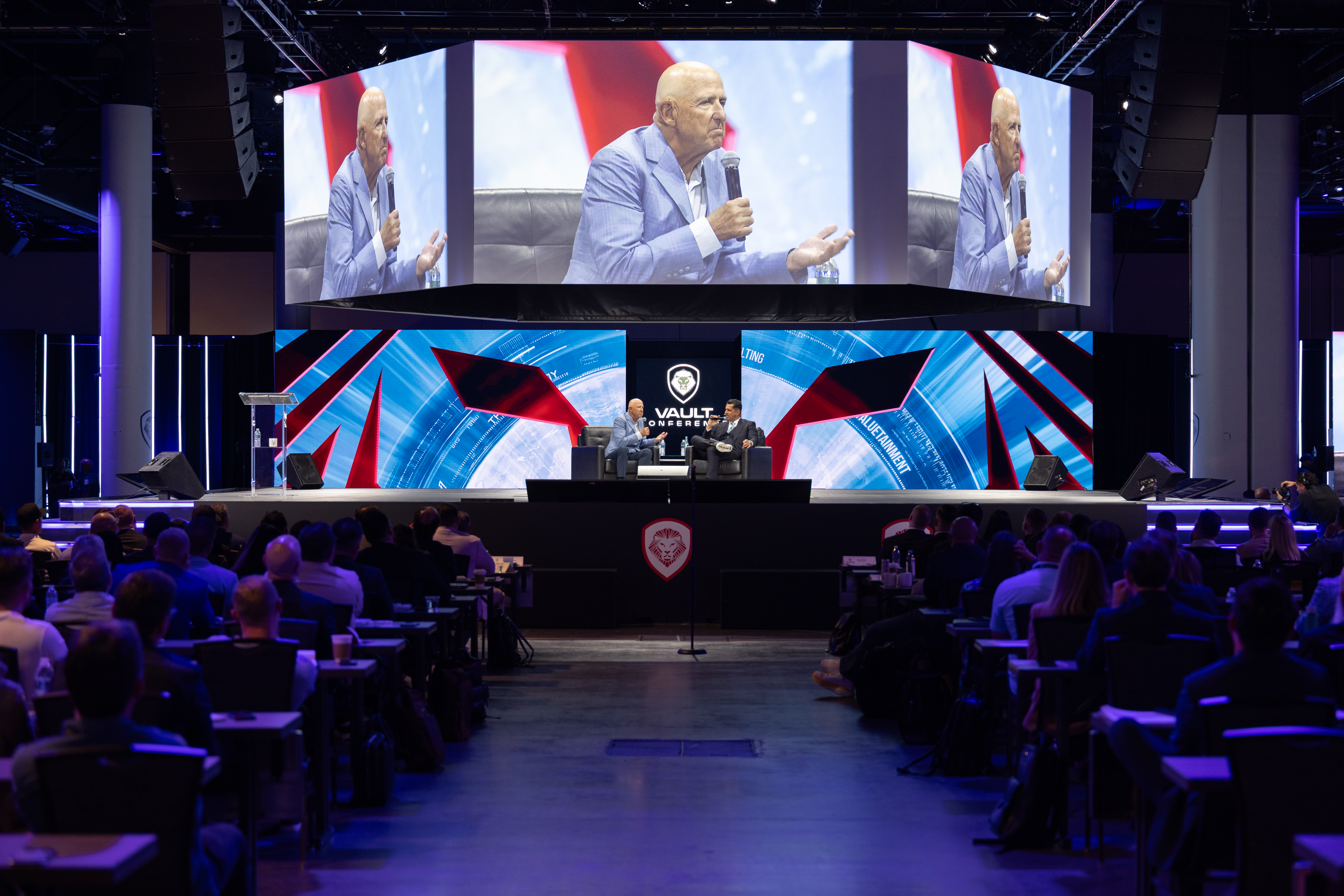
Vault Conference Crowd

The Vault Conference 2024 delivered operator-led sessions on scaling businesses past seven to nine figures, raising capital, building leadership teams, and reading current market forces. For founders, CEOs, executives, investors, sales leaders, and operators, the value of the 2024 experience was not only the event itself. It was the practical business thinking attendees could bring back into their companies.

The most useful operator lessons from The Vault 2024 centered on one idea: founders must become more strategic as the business grows. A company cannot scale only through ambition, hustle, or founder intensity. It needs stronger leadership, better capital judgment, sharper market awareness, clearer operating systems, and a team that can carry more responsibility without the founder being involved in every decision.

For founders considering The Vault Conference 2026, the 2024 recap shows why The Vault continues to matter. The event is designed for operators who want more than motivation. It is built for business owners who want to scale with better judgment, better people, better systems, and better relationships.

The Vault Conference 2026 takes place August 31 to September 3, 2026, at the MGM Grand in Las Vegas.

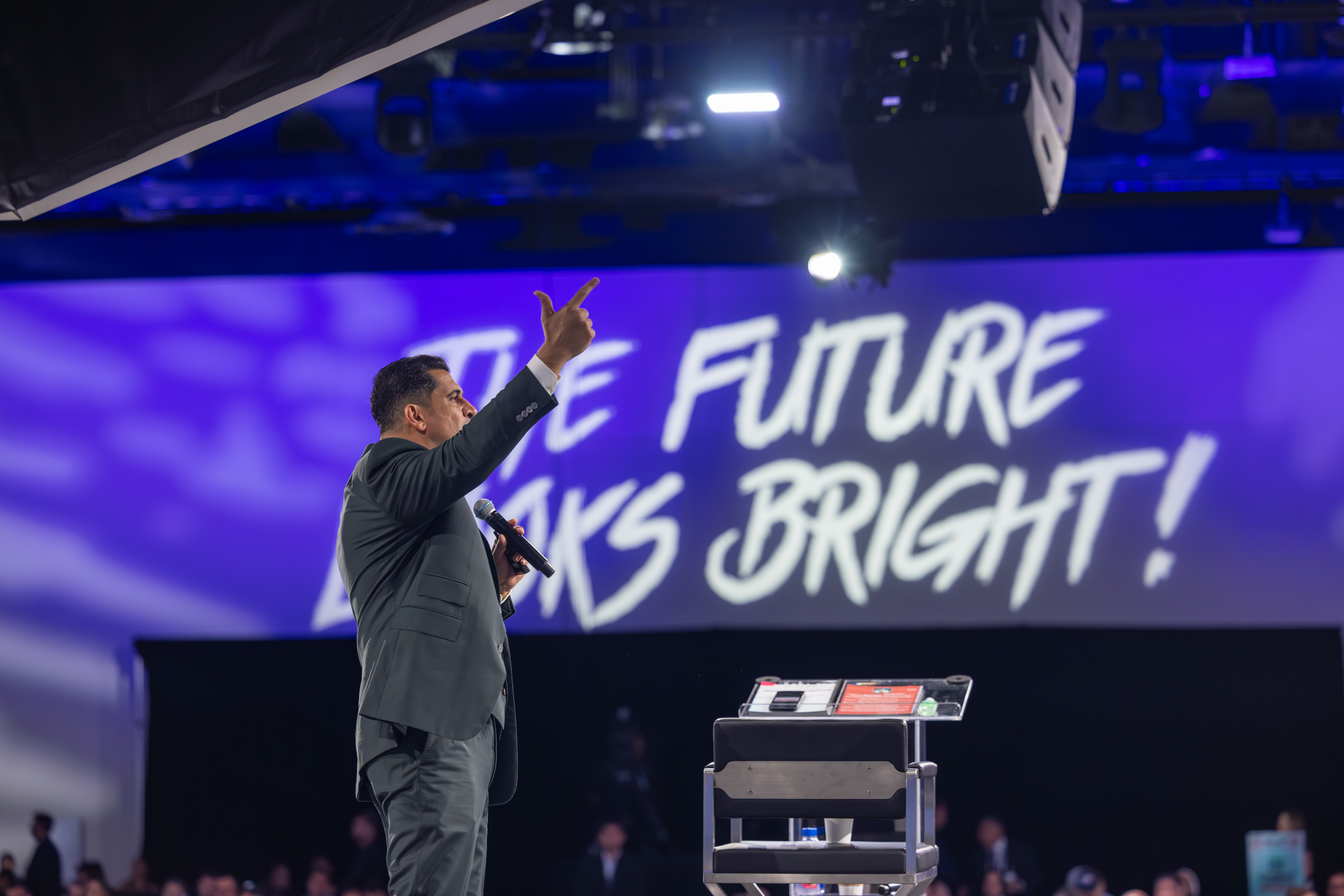
Vault Event Stage

QUICK ANSWER: WHAT WERE THE TOP OPERATOR LESSONS FROM THE VAULT 2024?

The top operator lessons from The Vault 2024 were that founders must learn how to scale past personal effort, prepare for capital with a real operating story, build leadership teams that can carry the standard, and read market forces before they become urgent threats.

The 2024 experience reinforced that a founder's next stage requires more than working harder. It requires better decision-making. Founders have to understand the business from multiple angles: revenue, team, capital, culture, customer behavior, market timing, leadership depth, and execution capacity.

The highest-impact takeaway was clear: the founder must stop being the only engine of the company and start building an operating system that can scale.

QUICK FACTS ABOUT THE VAULT 2024 AND THE VAULT 2026

The Vault is built for founders and operators who want practical strategy, serious peer access, and business frameworks that can be implemented inside real companies.

EVENT
The Vault Conference 2026
HOST
Patrick Bet-David
DATE
August 31 to September 3, 2026
LOCATION
MGM Grand, Las Vegas
RELEVANCE FOR FOUNDERS CONSIDERING 2026
Operator frameworks, capital clarity, leadership development, market awareness, serious founder relationships, and practical implementation
PRIMARY ROI
Better decisions, stronger leadership teams, clearer priorities, reduced founder dependency, improved capital readiness, and a more scalable company

For founders, The Vault is valuable because it creates space to think about the business at a higher level while surrounded by people who understand the pressure of building.

LESSON 1: SCALING REQUIRES A DIFFERENT FOUNDER

One of the clearest operator lessons from The Vault 2024 was that the founder who starts the company is not always the same founder required to scale it. Early growth can come from urgency, instinct, sales ability, personal relationships, and nonstop effort. But scaling past seven, eight, or nine figures requires a different operating identity.

The founder must become more strategic. They must learn how to delegate, recruit leaders, install systems, protect culture, raise capital, manage risk, and make decisions through data and judgment rather than emotion alone.

A company that depends entirely on founder energy eventually hits a ceiling.

Founder Scaling Questions

Founders should ask:

Where am I still the bottleneck?

What does the next version of the company require from me?

What decisions should no longer depend on me?

Which leaders need to carry more responsibility?

What system must be built before growth increases?

What part of the company is still running on founder instinct?

For founders considering The Vault 2026, this lesson matters because the next stage of scale always demands a more disciplined operator.

LESSON 2: SEVEN-FIGURE THINKING CANNOT BUILD A NINE-FIGURE COMPANY

The Vault 2024 experience reinforced that every stage of business requires a different level of thinking. A founder building toward seven figures is solving one set of problems. A founder moving from seven to eight figures faces another. A founder aiming for nine figures needs a completely different level of leadership, capital, team structure, systems, and market positioning.

What worked at one stage can become dangerous at the next stage.

The founder may need to change how they hire, how they communicate, how they review performance, how they manage cash, how they structure leadership meetings, and how they evaluate opportunity.

Stage-of-Business Questions

Founders should evaluate:

What stage is the company really in?

What habits helped us get here but will not help us scale further?

What leadership layer is missing?

What reporting does the company need now?

What systems are too informal for the next stage?

What would break if the company doubled?

The operator lesson is simple: growth exposes everything that was informal.

LESSON 3: CAPITAL IS FUEL ONLY WHEN THE OPERATING MODEL IS READY

Another major operator theme from The Vault 2024 was capital readiness. Raising capital can accelerate growth, but it can also accelerate chaos if the business is not ready.

Founders often think capital will solve the problem. Sometimes it does. But in many cases, capital only magnifies what already exists. If the company has unclear leadership, weak reporting, poor sales discipline, inconsistent margins, or founder dependency, new capital may create more pressure instead of more scale.

Capital should support a clear plan.

Capital Readiness Questions

Founders should ask:

Why are we raising capital now?

What specific milestone will capital help us reach?

What will the funds be used for?

Is the team ready to deploy capital responsibly?

What operating gaps would concern investors?

Are we raising from strength or urgency?

What reporting rhythm will capital require?

For SaaS founders, this may mean proving retention and unit economics. For service-business founders, it may mean proving delivery capacity. For real estate, insurance, finance, or healthcare operators, it may mean showing compliance, margin discipline, and leadership strength. For media and entertainment founders, it may mean showing how audience turns into durable enterprise value.

LESSON 4: THE FOUNDER NEEDS AN OPERATING STORY, NOT JUST A PITCH

The Vault 2024 helped clarify that serious founders need more than a pitch. They need an operating story. A pitch explains the opportunity. An operating story explains how the company will actually execute.

Investors, partners, executives, and strategic relationships all want to understand the same thing: can this founder turn vision into reality?

That means the founder needs clarity around customer demand, sales process, leadership team, financial discipline, market positioning, capital use, and execution rhythm.

Operating Story Questions

Founders should prepare answers to:

What has already been proven?

What is the next major constraint?

Who is leading each function?

What does the company do better than the market understands?

What risks are being managed?

What should happen in the next 12 months?

Why is this team capable of winning?

A strong operating story gives the founder credibility because it shows that growth is not only imagined. It is planned.

LESSON 5: LEADERSHIP TEAMS MUST CARRY THE STANDARD

The Vault 2024 also reinforced that companies scale through leadership teams, not founder speeches. A founder can set the standard, but the leadership team must carry it.

As the company grows, the founder cannot personally manage every department. Sales, operations, finance, marketing, customer service, product, recruiting, and partnerships all need leaders who understand the mission and can execute without constant founder involvement.

This is where many companies stall. They have employees, but not enough leaders. They have managers, but not enough owners.

Leadership Team Questions

Founders should ask:

Which leader truly owns outcomes?

Which manager needs more accountability?

Which department still depends too much on me?

Who can carry the culture without me in the room?

Which executive role needs to be hired next?

Which leader is not ready for the company's next stage?

The operator lesson is that leadership depth determines how much growth the company can handle.

LESSON 6: CULTURE MUST SCALE BEYOND THE FOUNDER

Culture was another important operator theme from The Vault 2024. In early-stage companies, culture often lives close to the founder. People hear the founder's voice, understand the sacrifice, and feel the mission directly.

As the company grows, that changes. New employees join without the same history. Managers interpret standards differently. Departments develop their own habits. If culture is not intentionally protected, it becomes inconsistent.

Culture Questions for Founders

Founders should evaluate:

What behavior are we rewarding?

What behavior are we tolerating?

Which leader best represents the culture?

Where has the standard slipped?

Are promotions reinforcing the culture or weakening it?

What part of the culture depends too much on founder presence?

What should never be compromised as the company grows?

For founders building companies in competitive industries, culture becomes a business advantage. It affects hiring, retention, customer experience, sales execution, and speed.

LESSON 7: MARKET FORCES MUST BE READ BEFORE THEY BECOME CRISES

The Vault 2024 placed importance on reading current market forces. Operators cannot build companies in isolation. Markets shift. Capital changes. Customer confidence moves. Regulation evolves. Technology advances. Competition reacts. Political and economic conditions affect hiring, spending, investment, and expansion.

Founders who ignore market forces become reactive. Founders who study them can prepare earlier.

Market Forces Questions

Founders should ask:

What is changing in our industry?

What customer behavior is shifting?

What policy, economic, or capital pressure could affect us?

What technology trend could create risk or opportunity?

Which competitor weakness is becoming visible?

What market signal are we ignoring?

What decision should be made before the pressure increases?

For B2B founders, this may affect sales cycles. For consumer companies, it may affect pricing and demand. For financial services, it may affect trust and regulation. For healthcare, it may affect compliance and patient behavior. For agencies and media companies, it may affect attention, distribution, and customer acquisition.

LESSON 8: SALES EXECUTION CANNOT DEPEND ON PERSONALITY ALONE

Another operator lesson from The Vault 2024 was that sales must become a system. Many founder-led companies grow because the founder is persuasive, close to the customer, and willing to sell aggressively. That works early. It does not scale forever.

A scalable sales engine needs process, training, follow-up standards, pipeline review, objection handling, coaching, accountability, and leadership.

Sales Execution Questions

Founders and sales leaders should evaluate:

Is the sales process documented?

Are follow-ups happening consistently?

Where are deals getting stuck?

Are objections being trained?

Is the offer easy to understand?

Who is coaching the sales team?

What part of revenue still depends too much on the founder?

The operator lesson is that sales growth becomes more predictable when the team has a rhythm, not just pressure.

LESSON 9: TALENT CALIBRATION IS A SCALING DISCIPLINE

The Vault 2024 also reinforced the importance of talent management. Founders cannot scale with unclear people decisions. The company needs to know who is performing, who is underperforming, who is ready for more responsibility, and who may no longer fit the next stage.

Talent calibration helps founders move from emotion to clarity.

Talent Calibration Questions

Founders should ask:

Who are the top performers?

Who has leadership potential?

Who is underperforming quietly?

Who produces results but damages culture?

Which role needs clearer expectations?

Which manager needs to be evaluated more honestly?

Which people decision has been delayed too long?

Better talent decisions improve execution, culture, and founder leverage.

HOW THE VAULT 2024 LESSONS APPLY TO THE VAULT CONFERENCE 2026

The lessons from The Vault 2024 are highly relevant for founders considering The Vault Conference 2026 because the same operator questions are becoming more important. Founders are still trying to scale through complexity. They still need capital clarity, leadership depth, market awareness, stronger culture, better sales execution, and more disciplined talent systems.

The 2026 event gives founders the opportunity to revisit these themes with fresh urgency.

The Vault 2026 Is Relevant for Founders Who Want To:

Scale beyond founder dependency

Build stronger leadership teams

Prepare for capital conversations

Read market forces more clearly

Strengthen sales execution

Protect company culture

Improve talent calibration

Build a practical operating plan

Create more business and personal leverage

The 300-page Vault workbook gives attendees a structured way to capture insights, organize priorities, and turn lessons into decisions during the event.

HOW THESE OPERATOR LESSONS SCALE THE FOUNDER'S LIFE

The Vault 2024 lessons do not only apply to the business. They apply to the founder's life. A company with weak leadership, unclear systems, poor talent decisions, and constant market reaction creates stress that follows the founder home.

When the business is too dependent on the founder, the founder loses time, clarity, health, and family presence. When the team cannot carry responsibility, every problem becomes personal. When capital is unclear, the founder carries financial pressure alone. When culture is weak, the founder becomes the emotional repair system for the company.

Better operating discipline gives the founder more control.

Strong leadership reduces escalation. Better capital planning reduces panic. Clearer market awareness reduces surprise. Stronger sales systems reduce revenue anxiety. Better talent calibration reduces people drama. A stronger culture reduces friction.

The best version of scale does not trap the founder inside a bigger business. It gives the founder more leverage, more options, and more room to lead.
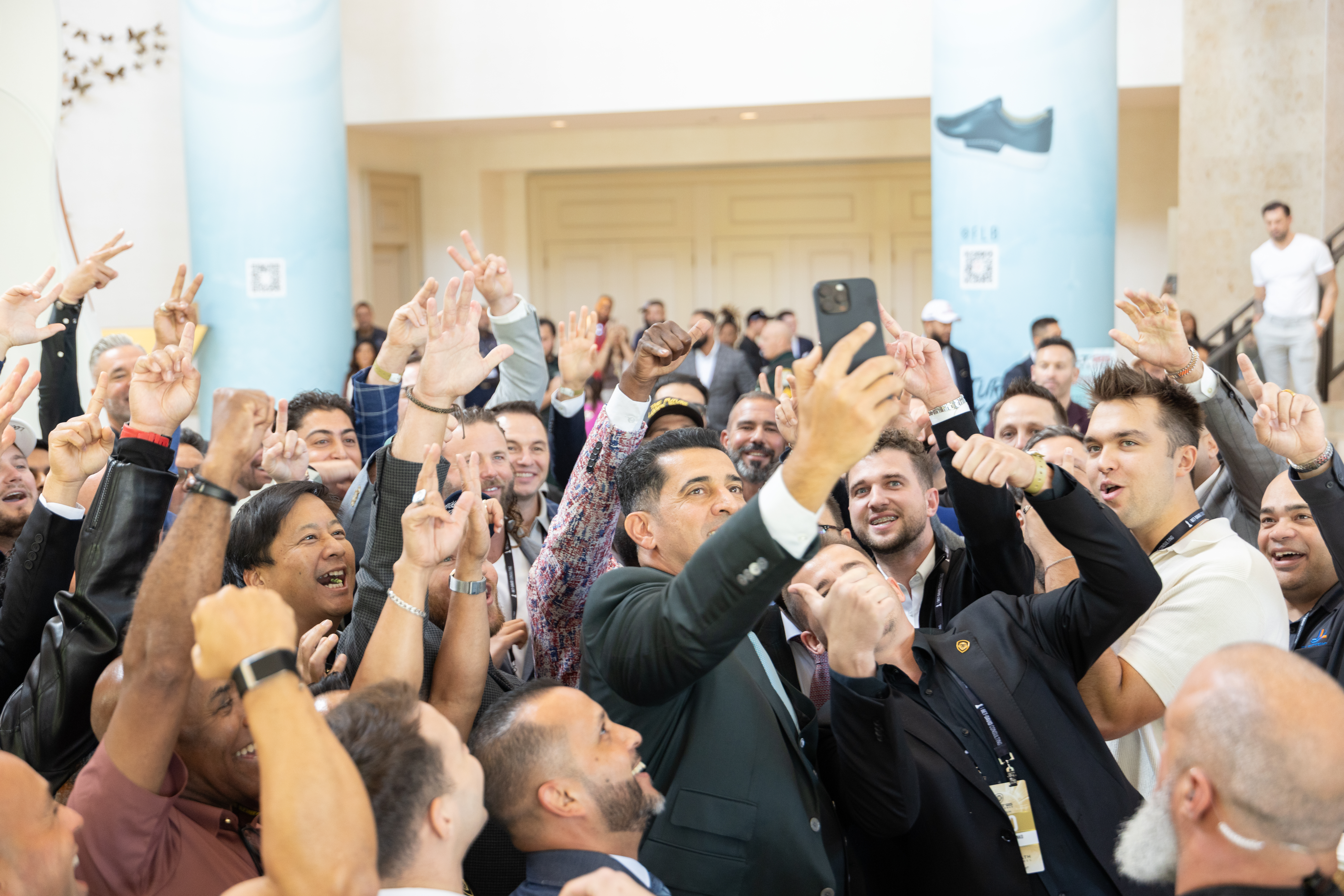

Vault 2024 Conference attendees celebrating together during the event

WHAT FOUNDERS SHOULD PREPARE BEFORE ATTENDING THE VAULT 2026

Founders considering The Vault Conference 2026 should arrive with specific operator questions. The event becomes more valuable when the founder knows what they are trying to solve.

Operator Preparation Checklist

Before attending The Vault, founders should define:

The company's current stage of growth

The biggest constraint blocking scale

The leadership role that needs improvement

The capital question that needs clarity

The market force most likely to affect the business

The sales process issue that needs attention

The culture standard that needs protection

The people decision that has been delayed

The founder dependency issue that must be reduced

The first 30-day implementation priority after the event

The goal is not to attend passively. The goal is to enter the room prepared to make better decisions.

IS THE VAULT CONFERENCE 2026 WORTH IT FOR FOUNDERS WHO STUDIED THE 2024 LESSONS?

The Vault Conference 2026 is worth it for founders who want to apply the operator lessons highlighted by The Vault 2024 experience: scaling past founder effort, raising capital with clarity, building leadership teams, reading market forces, strengthening culture, improving sales execution, and making better talent decisions.

The event is most relevant for founders, CEOs, executives, operators, investors, sales leaders, and decision-makers who are building real companies and want practical business frameworks for the next stage.

Who Should Attend The Vault Conference 2026?

The Vault is a strong fit for:

Founders scaling toward seven, eight, or nine figures

CEOs building leadership teams

Operators improving execution systems

Founders preparing for capital

Sales leaders building repeatable revenue

Executives responsible for culture and people decisions

Investors evaluating serious operators

Decision-makers who want strategy, relationships, and scale in one room

The strongest fit is the founder who knows the next stage will require more discipline than the current stage required.

THE VAULT 2024 LESSONS POINT TO ONE THING: OPERATORS NEED THE VAULT CONFERENCE 2026

Better decisions. Stronger leadership. Clearer capital strategy. A more scalable business and life.

The founders who scale past personal effort are the ones who build operating systems, not just momentum.

FINAL TAKEAWAY

The top operator lessons from The Vault 2024 were about scale, capital, leadership, market forces, sales execution, culture, and talent. The deeper message was that founders must become better operators if they want to build companies that can grow past personal effort.

For founders considering The Vault Conference 2026, the 2024 recap is a reminder that the event is built for serious business builders. It is not only about ideas. It is about decisions, systems, people, capital, and execution.

If the goal is to scale with more clarity, raise capital with more confidence, build a stronger leadership team, read market forces earlier, reduce founder dependency, and create a more scalable business and life, The Vault Conference 2026 is the standout choice.

Vault '26 Conference
red lineBet-David Consulting
GET A FREE
CONSULTATION
Speak with one of our associates for a comprehensive assessment of your business, your current phase, and the strategies best suited for your next stage of growth.